
Radiology
Our Radiology & Imaging services combine advanced diagnostic technology with expert interpretation to support accurate and timely medical evaluation. Each study is conducted in a controlled clinical environment, with structured reporting designed to assist clear and confident decision-making.
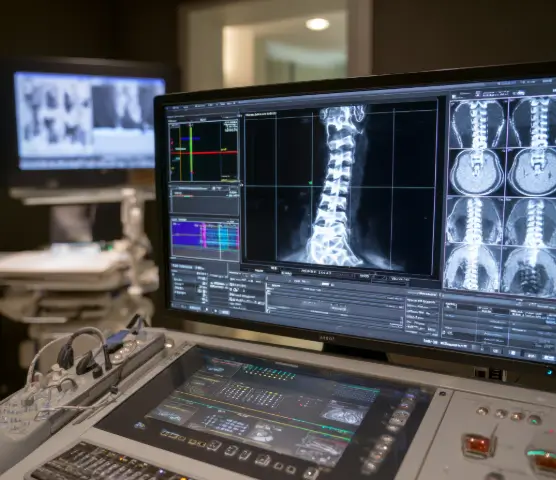
MRI Scan
Our 1.5 Tesla MRI system delivers detailed, high-resolution imaging across all body regions. Our MRI service plays a critical role in diagnosing complex conditions, guiding treatment planning, and monitoring therapeutic outcomes. All studies are interpreted by experienced Consultant Radiologists, with reports prepared to internationally recognized standards.
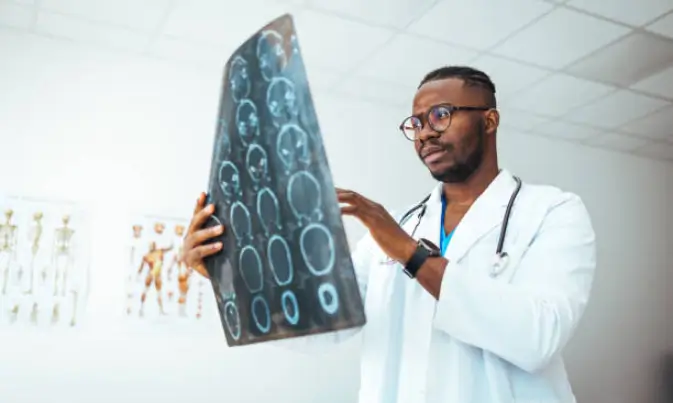
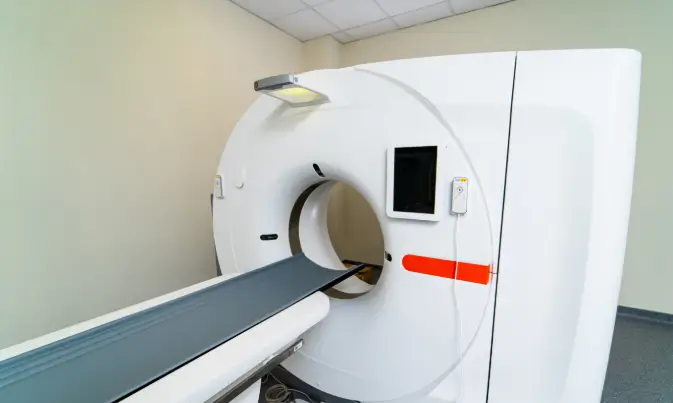
CT Scan
Our CT system provides fast, cross-sectional imaging for comprehensive diagnostic evaluation. Each scan is carefully reviewed by our Radiology team to ensure clear, well-structured reporting that supports accurate and supports timely clinical decision
Ultrasound Imaging
All examinations are performed using modern ultrasound systems with careful attention to patient comfort and diagnostic accuracy. We provide a wide range of ultrasound services, including:
- Obstetric and gynecological scans
- Abdominal and breast imaging
- Thyroid and scrotal scans
- Carotid and Doppler studies

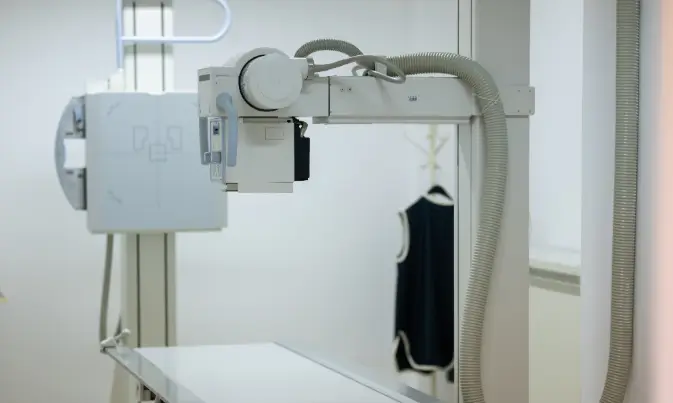
Digital X-Ray
We offer comprehensive digital X-ray services for adults and children. Our system produces detailed images of bones, joints, soft tissues, and organs with speed and optimized radiation control. Each examination is conducted by licensed radiographers, ensuring quality image acquisition and patient safety.
Mammography
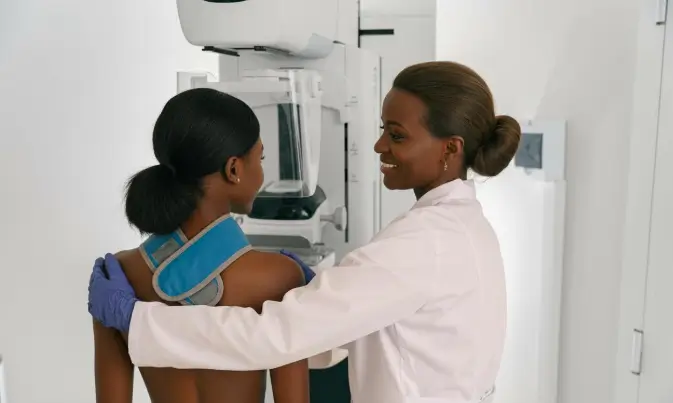
Our digital mammography services support both screening and diagnostic breast evaluation. High-definition imaging combined with structured reporting supports early detection and informed clinical management. We provide:
- Full Field Digital Mammography (FFDM)
- Spot view imaging
- Stereotactic and image-guided breast biopsy
Fluoroscopy
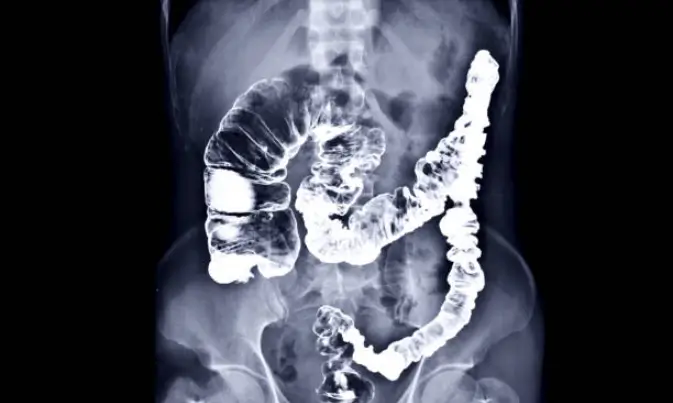
Our Fluoroscopy service delivers real-time imaging for dynamic evaluation and image-guided procedures. Each study is conducted under professional supervision, with detailed interpretation to assist physicians in making well-informed clinical decisions.
Radiology FAQs
My doctor ordered an MRI of the brain. Do I need any blood test beforehand?
Yes. We require a recent creatinine blood test result to assess kidney function.
We do the test here at our centre before your MRI so you do not have to worry.
- If you already have a creatinine result, please ensure it was done on the same day of your MRI appointment. Otherwise, you can run another test at our facility.
Do I have to pay separately for a creatinine test because I want to do an MRI?
When you pay for your MRI, the required kidney function blood work is added to your bill if you do not have a valid creatinine test.
What should I expect during the exam?
MRI is a painless procedure. We have trained radiologists who would instruct you on what to do every step of the way. The claustrophobic feeling some patients would feel in the MR scanner is less of a problem as our newer MR scanners are much less confining than older models.
What should I expect after the exam?
The examinations are interpreted by board-certified radiologists. The results can be accessed on your secure patient portal at portal.foremostradiology.com using the unique log in and password on your receipt when ready. You would also get an email which includes your full report once its ready